
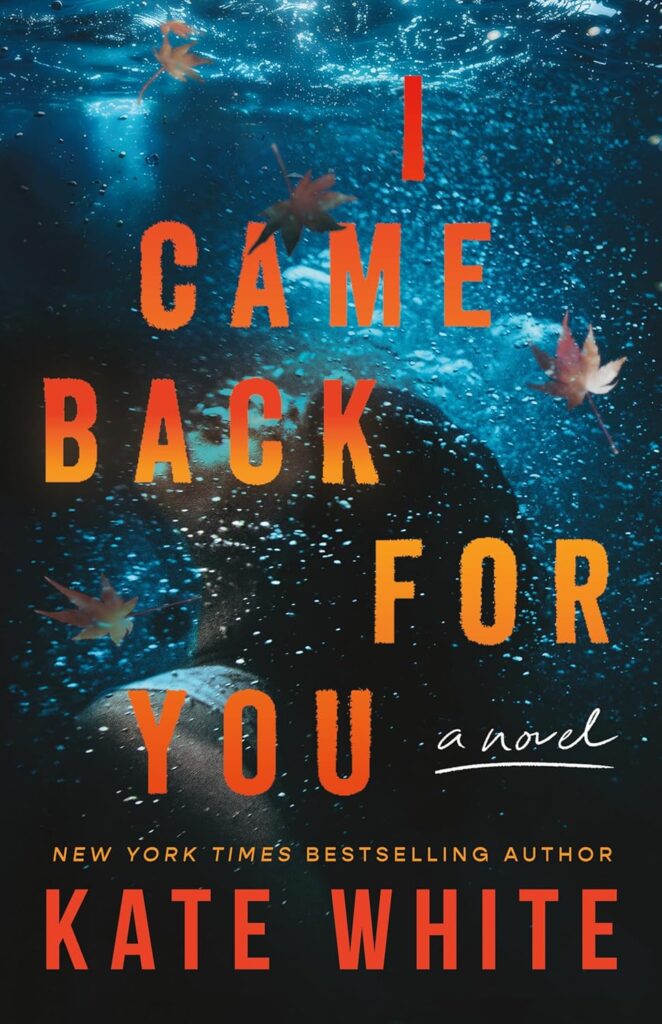
What If the Killer Confessed… But Said He Killed the Wrong Girl?
Ten years after her daughter’s murder, Bree Winter believes she has finally found a way to survive the grief. Life has moved forward — at least on the surface.
Then a shocking confession changes everything.
The man convicted of killing her daughter suddenly admits he murdered four girls… but claims one of them was not Bree’s child.
That one statement fractures the truth Bree has lived with for a decade.
And the question becomes more disturbing than the crime itself:
What if the wrong person paid for the wrong murder?
Psychological Core: When Truth Becomes Unstable
Unlike fast-paced action thrillers, I Came Back for You builds tension through emotional instability and psychological doubt.
The real suspense does not lie in “who did it.”
It lies in:
- Can grief distort memory?
- Can trauma rewrite reality?
- Why would a convicted killer change his story after ten years?
This novel explores the fragile space between justice and obsession — and how a mother’s determination can either uncover truth or destroy what remains of her life.
Character Analysis: Bree Winter
Bree is not a passive protagonist.
She is:
- Emotionally scarred
- Morally driven
- Unwilling to accept easy answers
Her psychological state fuels the story’s tension. As inconsistencies in the original case begin to surface, her need for closure transforms into something far more dangerous.
Is she chasing justice…
or chasing peace?
Pacing & Atmosphere
- Pace: Medium-burn with accelerating second half
- Tone: Dark, emotional, psychologically tense
- Twist Factor: 7.5/10
- Emotional Impact: High
The novel slowly plants seeds of doubt before tightening its grip in the final act. The tension escalates as the emotional stakes rise.
This is not a jump-scare thriller — it is a slow psychological unraveling.
Themes Explored
- False confessions
- Memory reliability
- Grief and trauma
- Justice vs truth
- Moral ambiguity
Readers who appreciate thrillers driven by emotional complexity rather than pure action will find this novel compelling.
Who Should Read This Book?
You’ll likely enjoy I Came Back for You if you loved:
- The Silent Patient
- Gone Girl
- The Girl on the Train
This novel is ideal for readers who prefer:
✔ Psychological tension over graphic violence
✔ Emotional depth
✔ Slow-burn mysteries
✔ Twists rooted in character psychology
Final Verdict
I Came Back for You delivers a suspenseful exploration of grief, doubt, and the fragility of truth. It asks uncomfortable questions about justice — and whether closure is ever truly possible.
If you enjoy thrillers that make you question what you thought you knew, this novel is worth experiencing firsthand.
👉 Check Today’s Price on Amazon
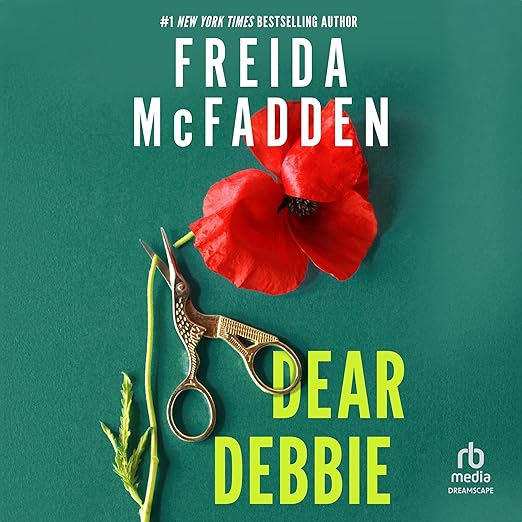
Dear Debbie by Freida McFadden – Full Review & Analysis (Spoiler-Free)
If you think you’ve read every possible twist in psychological thrillers…
Dear Debbie will prove you wrong.
Freida McFadden once again delivers a tense, unsettling, and psychologically layered story that keeps readers questioning every character — and themselves.
What Is Dear Debbie About? (Spoiler-Free Summary)
Debbie Mullen has built her life around helping others. Through her advice column, she guides women trapped in unhappy, even abusive marriages. She believes she understands manipulation. She believes she understands control.
But what happens when control slips away?
After losing her job and noticing strange behavior in her teenage daughters, Debbie’s carefully constructed world begins to fracture. What starts as minor unease slowly turns into paranoia — and then something much darker.
The question isn’t just what’s happening around her.
The real question is:
Can Debbie trust her own mind?
Why Dear Debbie Is So Addictive
Freida McFadden is known for:
- Fast pacing
- Psychological mind games
- Unreliable narrators
- Last-minute twists
Dear Debbie contains all of these.
The chapters are short.
The tension escalates quietly.
Every interaction feels slightly “off.”
You keep reading not because of action —
but because of psychological discomfort.
And that’s far more powerful.
Psychological Depth & Themes
This novel explores:
- Gaslighting
- Female identity and control
- Family secrets
- Mental stability
- The illusion of safety
Unlike typical thrillers that rely on violence, Dear Debbie builds suspense through doubt.
You begin to question:
Is Debbie being manipulated?
Or is she manipulating us?
That’s where the brilliance lies.
Is Dear Debbie Better Than The Housemaid?
If you loved:
- The Housemaid
- The Wife Upstairs
- The Silent Patient
You will absolutely enjoy Dear Debbie.
However, this book feels more intimate and more emotionally psychological than purely plot-driven.
The twist is subtle… until it isn’t.
And when it lands — it lands hard.
Who Should Read Dear Debbie?
You’ll love this book if:
✔ You enjoy unreliable narrators
✔ You like domestic psychological tension
✔ You prefer character-driven suspense
✔ You enjoy stories about secrets inside families
You may not enjoy it if:
✘ You prefer high-action thrillers
✘ You want immediate explosive twists
This is a slow burn that becomes a psychological wildfire.
Final Verdict
Dear Debbie is not just another thriller.
It’s a psychological trap.
Freida McFadden understands exactly how to make readers doubt every page they just read.
If you enjoy intense domestic thrillers with layered psychological tension, this is absolutely worth reading.
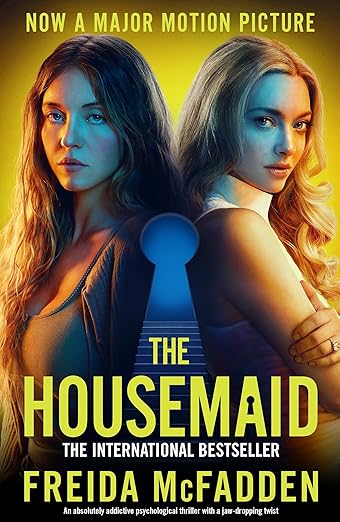
The Housemaid by Freida McFadden – Full Review & Analysis (Spoiler-Free)
If you enjoy psychological thrillers that make you question every character, every motive, and every page…
The Housemaid is exactly that kind of trap.
Freida McFadden doesn’t just tell a story.
She builds a psychological cage — and locks the reader inside.
What Is The Housemaid About? (Spoiler-Free Summary)
Millie is desperate for a fresh start.
When she gets a job as a live-in housemaid for the wealthy Winchester family, it seems like a miracle. A beautiful home. A handsome husband. A glamorous wife.
But from the first day, something feels wrong.
Nina Winchester is unpredictable. Manipulative. Cruel.
And the longer Millie stays in that house, the clearer it becomes:
The job isn’t what it seems.
The family isn’t what it seems.
And Millie herself may not be who she appears to be.
Why The Housemaid Became a Global Bestseller
This book exploded for a reason.
It combines:
- Fast pacing
- Short addictive chapters
- Domestic tension
- Psychological manipulation
- A brutal mid-book twist
The story doesn’t rely on action scenes.
It relies on mental discomfort.
And that’s what makes it powerful.
You constantly ask:
Who is the real villain?
And just when you think you know…
You’re wrong.
Psychological Themes Explored
The Housemaid dives into:
- Power imbalance in relationships
- Emotional abuse
- Control and gaslighting
- Class differences
- Hidden identities
The brilliance lies in how ordinary the setting feels.
A house.
A marriage.
A job.
Nothing supernatural.
Nothing extreme.
And yet it feels terrifying.
Is The Housemaid Worth Reading?
Short answer: Yes.
Long answer:
If you like:
- The Silent Patient
- Gone Girl
- The Wife Upstairs
- Domestic suspense stories
You will devour this book in one sitting.
It’s fast, intense, and engineered to keep you flipping pages.
Is It Better Than Dear Debbie?
The Housemaid is more twist-driven.
Dear Debbie is more psychologically intimate.
If you want:
Shock value → The Housemaid
Slow-burning mental breakdown → Dear Debbie
Both are strong, but The Housemaid is more commercially explosive.
Who Should Read The Housemaid?
You’ll love it if:
✔ You enjoy morally gray characters
✔ You like unreliable narrators
✔ You want a book that’s hard to put down
✔ You love domestic psychological thrillers
You may not enjoy it if:
✘ You prefer literary slow fiction
✘ You dislike major twists
This is built for binge reading.
Final Verdict
The Housemaid isn’t just popular.
It’s engineered suspense.
Freida McFadden understands exactly how to manipulate readers — in the best possible way.
If you’re looking for a fast-paced psychological thriller with a twist that redefines the story halfway through, this is absolutely worth reading.
👉 Read The Housemaid on Amazon
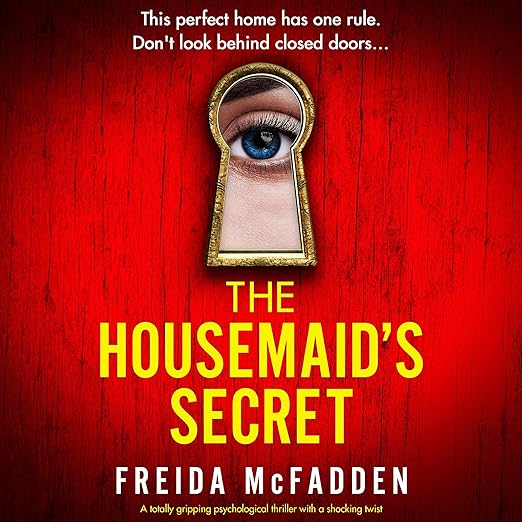
The Housemaid’s Secret Review (2026) – Is the Sequel Even Darker?
If you thought The Housemaid was twisted…
The Housemaid’s Secret goes deeper — darker — and far more psychologically disturbing.
Freida McFadden doesn’t simply repeat the formula.
She escalates it.
What Is The Housemaid’s Secret About? (Spoiler-Free)
Millie is trying to move forward.
A new job. A new apartment. A fresh start.
But when she begins working for the Garrick family, something feels off immediately.
Mrs. Garrick never leaves her room.
Strange noises echo behind closed doors.
Blood stains appear.
Secrets start to surface.
And Millie quickly realizes:
She may have walked into something even more dangerous than before.
Is It Better Than The Housemaid?
This is the question everyone asks.
The first book was shock-driven.
This sequel is tension-driven.
Instead of relying on one massive twist, The Housemaid’s Secret builds dread slowly — then detonates it.
The psychological manipulation is more layered.
The stakes feel more personal.
And the moral lines blur even further.
If you liked the original for its pacing,
you’ll love this one for its psychological intensity.
Psychological Themes Explored
This novel dives deeper into:
- Hidden domestic abuse
- Power dynamics inside wealthy households
- Moral ambiguity
- Revenge psychology
- The cost of secrets
Freida McFadden plays with reader expectations.
You think you understand the situation.
You don’t.
And the realization is uncomfortable.
Why This Sequel Works
Many thriller sequels fail because they recycle tension.
This one works because:
✔ The environment changes
✔ The emotional stakes increase
✔ The protagonist evolves
✔ The manipulation becomes subtler
It doesn’t feel like a repeat.
It feels like escalation.
Who Should Read The Housemaid’s Secret?
You’ll enjoy this if:
✔ You loved The Housemaid
✔ You enjoy domestic psychological thrillers
✔ You like morally gray protagonists
✔ You prefer tension over action
You may not enjoy it if:
✘ You want a completely standalone story (though it can be read alone)
✘ You dislike slow psychological buildup
Is It Necessary to Read Book 1 First?
Technically, no.
But emotionally? Yes.
You’ll appreciate Millie’s transformation much more if you read The Housemaid first.
The sequel hits harder when you understand her past.
Final Verdict
The Housemaid’s Secret proves that Freida McFadden isn’t a one-book phenomenon.
This sequel deepens the psychological tension and expands the moral complexity of the series.
If you want a thriller that makes you uneasy in quiet moments — this delivers.
👉 Read The Housemaid’s Secret on Amazon
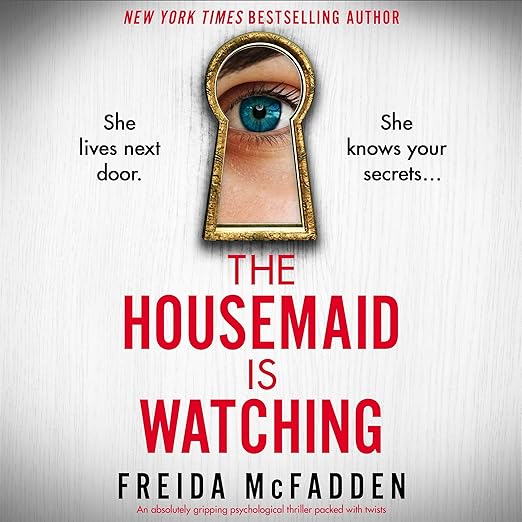
The Housemaid Is Watching Review (2026) – The Darkest Chapter Yet?
By the time we reach The Housemaid Is Watching, Millie is no longer just surviving.
She’s protecting.
And that changes everything.
Freida McFadden takes the psychological tension of the first two books and shifts the perspective. This time, the threat doesn’t feel confined to a house.
It feels like it’s everywhere.
What Is The Housemaid Is Watching About? (Spoiler-Free)
Millie has finally built what looks like a stable life.
A husband.
Children.
A peaceful suburban neighborhood.
But suburban peace in McFadden’s universe is an illusion.
When a new neighbor moves in and subtle oddities begin surfacing, Millie’s instincts sharpen. She has been in dangerous houses before. She knows the signs.
The real question is:
Is she being paranoid…
Or is she the only one seeing the truth?
Psychological Evolution of Millie
This is where Book 3 becomes interesting.
In The Housemaid, Millie was reactive.
In The Housemaid’s Secret, she was strategic.
In The Housemaid Is Watching, she is anticipatory.
She doesn’t just survive danger anymore.
She studies it.
This evolution adds a new layer:
The tension no longer comes from vulnerability.
It comes from mistrust.
Themes Explored in Book 3
This installment digs into:
- Paranoia vs intuition
- Trauma residue
- Hyper-vigilance
- The cost of survival
- Suburban illusion of safety
Unlike the earlier books, this one feels more psychological than shocking.
The fear is quieter.
And because it’s quieter, it feels more realistic.
Is It the Best in the Series?
This depends on what you value.
If you loved:
- Massive mid-book twists → Book 1 wins
- Psychological escalation → Book 2 wins
- Character depth & paranoia → Book 3 wins
Book 3 is less explosive, but more psychologically mature.
It feels like a character study disguised as a thriller.
The Suburban Horror Factor
One of the smartest moves McFadden makes here is relocating danger.
The earlier books trap you inside wealthy homes.
This one expands the threat into a neighborhood.
It plays on a universal fear:
What if the people smiling at you are watching you?
That subtle dread carries the narrative.
Does It Work as a Standalone?
Technically yes.
Emotionally no.
You will understand Millie’s trauma far better if you read the first two books.
The paranoia hits harder when you know what she survived.
Final Verdict
The Housemaid Is Watching is not just another sequel.
It is a psychological shift.
Freida McFadden moves from shock-based suspense to paranoia-based tension.
If you enjoy:
- Quiet psychological dread
- Domestic thriller evolution
- Characters shaped by trauma
This book delivers.
👉 Read The Housemaid Is Watching on Amazon
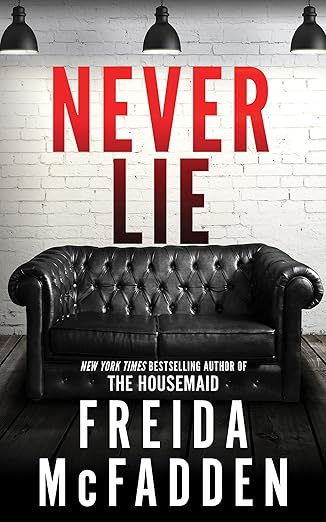
Never Lie by Freida McFadden – Full Review & Deep Analysis (Spoiler-Free)
If you enjoy isolated settings, psychological mind games, and slow-building paranoia…
Never Lie might be one of Freida McFadden’s most controlled thrillers.
This isn’t just about a twist.
It’s about truth.
And whether truth even exists.
What Is Never Lie About? (Spoiler-Free Summary)
Newlyweds Tricia and Ethan are searching for their dream home.
When they visit a remote manor that once belonged to Dr. Adrienne Hale — a famous psychiatrist who vanished years ago — they think it’s just another viewing.
But then a violent snowstorm traps them inside.
With no escape and rising tension, Tricia discovers a hidden room filled with cassette tapes.
They contain recordings of Dr. Hale’s therapy sessions.
One by one, Tricia listens.
And the deeper she goes into the tapes, the darker the story becomes.
What happened to Dr. Hale?
Why did she disappear?
And more importantly…
Who is really trapped in that house?
Psychological Core of Never Lie
Unlike The Housemaid series, which leans into domestic tension, Never Lie is about psychological unraveling.
Themes explored:
- Manipulation through narrative
- The power imbalance between therapist and patient
- Perception vs reality
- Isolation psychology
- The unreliability of memory
The snowstorm setting is not just atmospheric.
It’s strategic.
Isolation heightens doubt.
Doubt creates tension.
And tension fuels paranoia.
Structure & Narrative Technique
This novel stands out because of its dual narrative mechanism:
- Present timeline (house + storm)
- Therapy tape transcripts
The tapes create an unsettling effect.
You don’t just read about past events.
You hear them unfolding.
And every tape changes your understanding of the situation.
Freida McFadden weaponizes information control here.
You are always one step behind the truth.
How It Compares to The Housemaid
If The Housemaid is about power inside a home…
Never Lie is about power inside the mind.
It feels more contained, more psychological, less socially dramatic.
The tension here is colder.
Sharper.
More cerebral.
This book is less explosive but more unsettling.
Is Never Lie Twist-Heavy?
Yes — but in a different way.
Instead of one massive twist,
it layers revelations slowly.
By the final act, the pieces click together in a way that makes you rethink everything.
And that’s the strength.
It doesn’t just shock.
It reframes.
Who Should Read Never Lie?
You’ll enjoy it if:
✔ You love isolated settings (snowstorm thrillers)
✔ You enjoy psychological manipulation plots
✔ You like therapist/patient dynamic mysteries
✔ You prefer intellectual tension over domestic drama
You may not enjoy it if:
✘ You prefer high action
✘ You want immediate explosive twists
This is psychological chess, not a sprint.
Final Verdict
Never Lie proves Freida McFadden isn’t just a domestic thriller author.
She understands structural suspense.
The isolated manor, the therapy tapes, and the slow erosion of trust create a gripping psychological experience.
If you enjoy tightly constructed thrillers that keep you questioning what is real, this is absolutely worth reading.
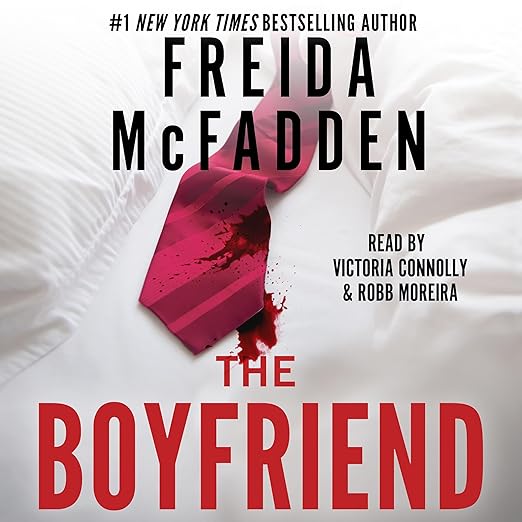
The Boyfriend by Freida McFadden – Psychological Thriller Analysis (Spoiler-Free)
Overview
The Boyfriend is a fast-paced psychological thriller that explores modern dating, manipulation, and the fragile boundary between trust and obsession. Freida McFadden once again places an ordinary woman in what seems like a dream scenario—only to slowly unravel the illusion beneath it.
Without revealing plot twists, this novel focuses on psychological tension rather than graphic shock. The fear does not come from violence. It comes from doubt.
And doubt is far more dangerous.
Core Themes
1. The Illusion of the “Perfect Man”
At its surface, the novel plays with a familiar fantasy: meeting someone who appears flawless.
Charming.
Successful.
Attentive.
Emotionally present.
But McFadden’s brilliance lies in asking a disturbing question:
Why does perfection feel so rehearsed?
The novel explores how idealized personas can be carefully constructed masks. It examines the psychology of impression management—how people curate identities to gain trust, admiration, and control.
2. Modern Dating Anxiety
This book is deeply rooted in contemporary fears:
- Dating apps
- Online personas
- Emotional manipulation
- Love bombing
- Gaslighting
The protagonist’s inner conflict reflects a common modern dilemma:
Is my intuition protecting me… or sabotaging something good?
The psychological tension builds from this internal war between logic and instinct.
3. Trust vs. Instinct
One of the strongest aspects of The Boyfriend is how it makes the reader question every interaction.
Small inconsistencies.
Minor contradictions.
Subtle discomfort.
McFadden weaponizes subtlety. Nothing screams danger at first. Instead, suspicion grows gradually—like water seeping through a crack.
This slow escalation creates a claustrophobic atmosphere without needing extreme events.
Character Psychology
The Protagonist
She is not naïve.
She is not reckless.
She represents intelligent vulnerability.
Her biggest psychological battle is not with the man she’s dating—but with herself.
- Am I overthinking?
- Am I paranoid?
- Am I projecting past trauma?
This internal questioning is what makes the narrative so effective. The tension comes from emotional realism.
The Boyfriend
McFadden constructs him carefully.
He is not exaggerated.
He is not cartoonishly evil.
He is unsettling because he feels plausible.
That plausibility is what makes the novel disturbing.
The psychology here revolves around control through charm—how kindness and attentiveness can sometimes function as power tools rather than affection.
Narrative Structure
Freida McFadden is known for:
- Short chapters
- Sharp pacing
- Suspense-driven momentum
In The Boyfriend, the pacing mirrors anxiety.
Chapters end with subtle destabilization rather than explosive cliffhangers. The tension increases not because something huge happens—but because something feels slightly wrong.
This is psychological suspense at its core.
Tone & Atmosphere
The novel carries:
- Quiet paranoia
- Romantic unease
- Emotional isolation
- Slow-burn suspicion
There is a strong sense of being watched—not necessarily physically, but psychologically.
The atmosphere thrives on uncertainty rather than horror.
Comparison to McFadden’s Other Works
Compared to The Housemaid or Never Lie:
- The Boyfriend leans more into relational manipulation than environmental claustrophobia.
- It focuses more on dating dynamics than domestic entrapment.
- The suspense is interpersonal rather than spatial.
It feels more intimate—and therefore more psychologically invasive.
Who Will Enjoy This Book?
Readers who love:
- Unreliable emotional dynamics
- Dating-based psychological thrillers
- Manipulation-driven tension
- Love stories that feel slightly “off”
If you enjoy dark suspense centered on trust, obsession, and romantic deception, this novel delivers a gripping psychological experience without relying on shock value alone.
Final Verdict (Spoiler-Free)
The Boyfriend is a study of how easily desire can override instinct.
It asks:
How well do you really know someone?
And how much of what you see is curated for you?
Freida McFadden once again proves that the most terrifying threats are not strangers in the dark—but the people who feel safest.
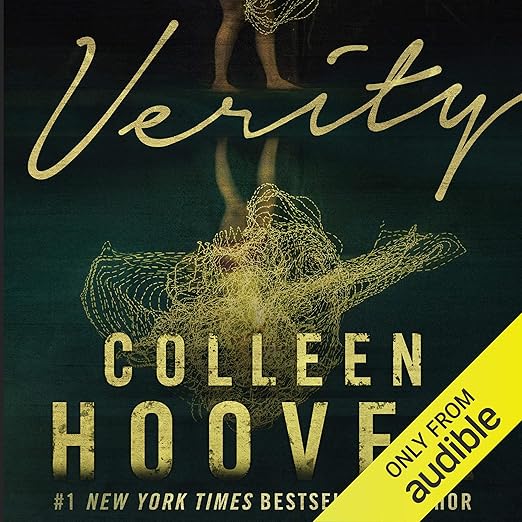
Verity by Colleen Hoover – A Psychological Thriller Analysis (Spoiler-Free)
Overview
Verity by Colleen Hoover is not just a psychological thriller—it is a study of perception, manipulation, and the dangerous power of storytelling. Blending domestic suspense with romantic tension, the novel places the reader inside an emotionally unstable space where truth feels fluid and trust becomes a liability.
Rather than relying purely on plot twists, Verity builds its tension through psychological unease and moral ambiguity. The horror is not what happens. The horror is what might be true.
The Core Theme: The Power of Narrative
At the heart of Verity lies a disturbing question:
If something is written down, does that make it true — or simply more believable?
The novel explores how written words can function as both confession and performance. Hoover constructs a layered narrative structure that forces readers to constantly reassess what they think they know.
Information in this book is never neutral.
It is curated.
Framed.
Presented with intent.
And that intent becomes the true source of tension.
Domestic Space as Psychological Battlefield
The setting plays a crucial role in amplifying suspense. The house is not merely a backdrop; it becomes an emotional arena where privacy dissolves and boundaries blur.
Themes of intrusion and surveillance dominate the atmosphere:
- Private thoughts becoming exposed
- Personal spaces losing safety
- Emotional vulnerability turning into leverage
The home, traditionally a symbol of comfort, transforms into a space of psychological confinement.
Character Psychology: Need, Not Villainy
Without revealing any plot developments, one of the novel’s strongest elements is its refusal to present clear moral absolutes.
The characters are not caricatures of evil.
They are driven by:
- The need to be seen
- The need to be chosen
- The need to feel safe
- The need to control a narrative
These motivations make their actions psychologically plausible — and deeply unsettling.
Hoover plays with emotional alignment, pushing readers to question their own moral judgments.
Unreliable Dynamics
Verity does more than introduce uncertainty; it weaponizes it.
The tension does not arise from obvious deception, but from subtle destabilization:
- Small inconsistencies
- Emotional shifts
- Conflicting interpretations
Readers are not just unsure of the characters — they begin to doubt their own interpretations.
This meta-level manipulation is what makes Verity linger long after the final page.
Tone & Emotional Impact
The novel carries a tone of:
- Emotional claustrophobia
- Slow-burning paranoia
- Romantic unease
- Quiet psychological dread
It is not a fast-action thriller.
It is a pressure cooker.
The discomfort builds gradually, creating a reading experience that feels addictive yet deeply unsettling.
Writing Style & Structure
Colleen Hoover’s prose in Verity is:
- Direct
- Intimate
- Emotionally charged
Short chapters and confessional-style passages increase momentum, while the layered narrative format enhances suspense without relying on excessive exposition.
The pacing mirrors anxiety — escalating subtly rather than explosively.
Who Will Love This Book?
Verity is ideal for readers who enjoy:
- Mind-game psychological thrillers
- Domestic suspense
- Obsession-driven tension
- Unreliable storytelling
- Morally ambiguous characters
If you appreciate books that manipulate perception rather than simply deliver plot shocks, Verity offers a compelling psychological experience.
Final Thoughts (Spoiler-Free)
Verity is ultimately a novel about control — control of narrative, memory, truth, and identity.
It challenges readers not only to ask what happened, but to confront why they believed certain things in the first place.
The most disturbing element of Verity is not the mystery itself —
it is how easily certainty collapses under psychological pressure.
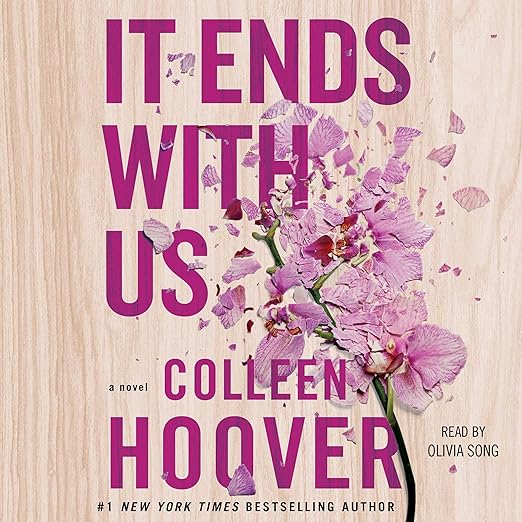
It Ends With Us by Colleen Hoover — A Deep (Spoiler-Free) Analysis
Overview
It Ends With Us is often described as a romance, but at its core it’s a psychologically grounded novel about patterns, power, and the quiet ways love can become complicated. Colleen Hoover builds a story that feels emotionally immediate—intimate, personal, and sometimes uncomfortable—because it explores relationships not as fantasies, but as real human systems shaped by history, trauma, and choice.
This book doesn’t rely on mystery twists. Its tension comes from a different source: the emotional stakes of deciding what kind of life you will accept.
What the Novel Is Really About: Cycles and Choice
The title itself hints at the central theme: ending a cycle.
Hoover examines how relationship dynamics can repeat across generations—not because people want pain, but because:
- familiarity can feel like safety
- attachment can override logic
- hope can become a form of denial
- “love” can be confused with “endurance”
The novel is less about “good vs. bad” and more about how people rationalize what they’re living through, especially when emotions are high and the future feels uncertain.
Emotional Realism: Why It Feels So Intense
One reason It Ends With Us resonates is its psychological realism. The story recognizes that complicated relationships are rarely defined by one moment—they’re shaped by small shifts:
- boundaries slowly moving
- moments of tenderness that create emotional confusion
- apologies that sound sincere
- reasons that almost make sense
Hoover captures the internal conflict of wanting to believe in someone while also sensing danger in the pattern.
This is why the novel can feel heavy: it mirrors the real-life experience of questioning your own perception.
Character Psychology: Identity vs. Attachment
Without spoilers, the protagonist’s arc is fundamentally about identity:
- Who am I when I’m alone?
- Who do I become when I’m loved?
- Who do I become when I’m pressured?
The book explores the tension between attachment (the pull to stay connected) and self-preservation (the need to protect your future). It shows how both can exist at the same time—making decisions feel impossible even when the “right answer” seems obvious to outsiders.
That “outsider vs. insider” gap is one of the novel’s most powerful psychological points.
The Role of Memory and the Past
It Ends With Us uses the past not as background, but as a mirror. Past relationships and formative experiences act like a blueprint:
- shaping what the protagonist believes is normal
- influencing what she tolerates
- revealing what she truly values
This creates a layered emotional structure where every present choice has “weight.” The story becomes a conversation between who someone was, who they became, and who they are trying to be.
Themes: Love, Power, and Moral Clarity
A major strength of this novel is that it refuses to romanticize pain. It highlights that:
- love is not proof of safety
- intensity is not the same as devotion
- good moments don’t erase harmful patterns
Hoover pushes the reader toward a difficult truth: you can care about someone and still need to leave them behind.
This isn’t a story that says love conquers all. It’s a story that asks:
What should love never require?
Writing Style and Pacing
Hoover’s writing is accessible and emotionally direct, which is part of why the book spreads so fast through readers. The chapters create momentum with:
- intimate voice
- emotional cliff-hangers
- dialogue-driven tension
- reflective inner narration
The pacing is designed to feel like real life—calm, then intense, then calm again—mirroring how emotional cycles often work.
Who This Book Is For
This novel is ideal for readers who want:
- emotionally intense contemporary fiction
- relationship psychology and moral complexity
- realistic portrayal of difficult choices
- stories about resilience, boundaries, and growth
If you want a thriller-like emotional grip without traditional thriller mechanics, this book delivers.
Final Thoughts (Spoiler-Free)
It Ends With Us is ultimately about the courage to choose a future that breaks the pattern, even when that choice is painful. It doesn’t aim to shock you—it aims to make you understand.
The most powerful element of the novel isn’t the romance.
It’s the moment you realize the story is about what you allow, what you forgive, and what you decide to end.
👉Read It Ends With Us on Amazon
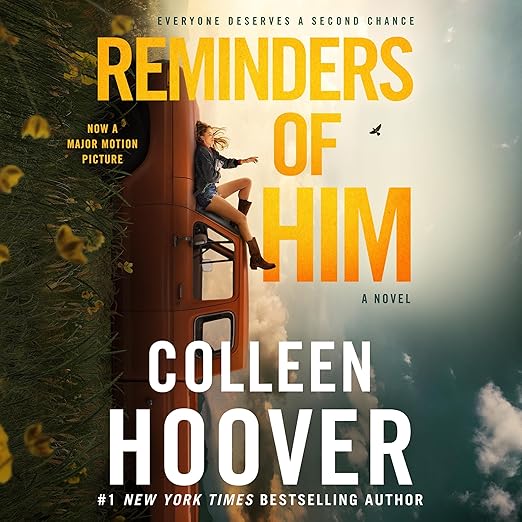
Reminders of Him
by Colleen Hoover — A Deep (Spoiler-Free) Analysis
Overview
Reminders of Him is not a traditional romance as much as it is a redemption-and-reckoning novel. Colleen Hoover builds the story around a woman returning to the place where everything collapsed, trying to rebuild a life that other people have every reason to doubt. The tension isn’t “what happens next?” as much as whether repair is even possible—and what repair costs when the damage is permanent.
This book reads like an emotional courtroom: every scene quietly asks, “What do you deserve after you’ve done the worst thing?”
The Core Conflict: Redemption vs. Consequences
The novel’s psychological power comes from a brutal balance:
- redemption (the human need to be more than your worst moment)
- consequences (the reality that some losses don’t reset)
Hoover doesn’t treat forgiveness as a cute ending. She treats it as a moral process—earned, contested, sometimes impossible. The protagonist’s journey is essentially: Can a person be allowed to change if the people harmed by the past are still living inside it?
That’s the book’s engine.
Character Psychology: Shame, Identity, and the Need to Be Seen
At its heart, Reminders of Him is about shame—not guilt (“I did something bad”) but shame (“I am bad”). The protagonist’s inner world is shaped by:
- self-punishment that feels like honesty
- hope that feels almost arrogant
- fear that any joy would be disrespectful to the past
Hoover writes grief and self-loathing as physical states: how someone walks into a room, how they speak too carefully, how they accept rejection before it’s even given.
A key theme is identity: Who are you when your story is already decided by everyone around you? The novel explores how hard it is to rebuild when your name has become a warning sign.
The Community as a “Character”
One of the most effective elements is the social environment. The town/community is not just a setting—it becomes a collective conscience:
- people who protect what matters most
- people who punish to prevent history repeating
- people who confuse justice with control
- people who want safety more than nuance
This creates a pressure-cooker dynamic. Even small interactions feel charged because every conversation is layered with unspoken history.
Love in This Story: Not Rescue, But Risk
The romantic element is written with a key difference from many Hoover books: it doesn’t function as escapism. Instead, love becomes:
- a risk (because caring makes you vulnerable to judgment)
- a test (because intimacy exposes what you’re hiding)
- a mirror (because being loved challenges your self-hatred)
The relationship tension comes from realism: when someone is trying to rebuild, even healthy affection can feel terrifying—because it threatens to create something you can lose again.
Themes: Motherhood, Belonging, and “What Makes a Good Person?”
Without spoilers, the big thematic pillars are:
1) Motherhood as Responsibility, Not Sentiment
The book treats motherhood as identity + consequence + devotion, not just emotion. It’s about what love means when love alone isn’t enough to grant access, trust, or closeness.
2) Belonging and the Right to Return
The protagonist’s return raises a deep question:
Do you have the right to re-enter a life you once shattered?
The novel forces readers to hold two truths at once: empathy for change, and respect for the people protecting what remains.
3) Moral Complexity
This is a book about moral ambiguity without moral confusion. Hoover doesn’t say “everything is forgivable.” She asks:
What does it take for someone to be allowed back into humanity?
Narrative Style and Emotional Pacing
Hoover’s pacing is structured around emotional reveals rather than plot twists. You’ll notice:
- scenes that start calm but end with a heavy emotional turn
- short chapters that keep momentum
- a confessional tone that builds intimacy
- repeated motifs (“reminders”) that reinforce memory and regret
The title is literal and thematic: reminders appear as places, objects, faces, routines—showing how the past can live in the present like a second shadow.
Who This Book Is For
You’ll likely love Reminders of Him if you want:
- emotionally intense contemporary fiction
- redemption arcs with real moral stakes
- grief/healing themes
- romance that’s grounded, not fantasy-based
- stories that make you argue with yourself
If you want a light love story, this one isn’t that—it’s heavier and more psychological.
Final Take (Spoiler-Free)
Reminders of Him is ultimately about earning your place, not claiming it. It’s a story where healing isn’t clean, forgiveness isn’t guaranteed, and love doesn’t erase harm—yet hope still exists, because change is real even when the past can’t be undone.
It’s one of Hoover’s most emotionally mature novels because it doesn’t just ask “Can you be forgiven?”
It asks: “What would forgiveness even mean here—and who has the right to give it?”
👉Read Reminders Of Him on Amazon
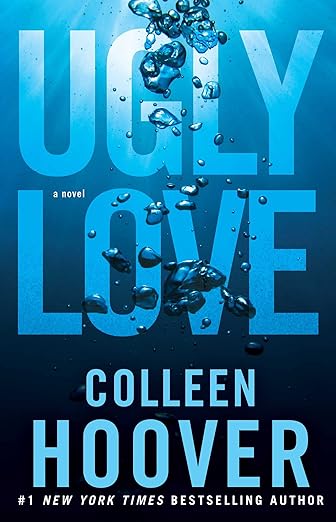
Ugly Love by Colleen Hoover — Deep Spoiler-Free Analysis
1) What this novel is really about
Ugly Love is often marketed as a romance, but its true core is emotional avoidance vs. emotional truth. The story isn’t built on “will they/won’t they” as much as it’s built on why someone would want love while also being terrified of it. Hoover frames intimacy as something that can feel like safety to one character—and like danger to the other.
At its heart, this is a book about the cost of shutting down: what you gain by feeling nothing, and what you lose by refusing to heal.
2) The central tension: desire with boundaries
The relationship dynamic is defined by a negotiated set of limits—rules that are supposed to keep things uncomplicated. Psychologically, those rules function like armor:
- Control: if I can control the terms, I can control the risk.
- Distance: if I keep you from knowing me fully, you can’t hurt me fully.
- Plausible escape: if it’s “not real,” I don’t have to face real consequences.
What makes the novel intense is that attraction doesn’t respect boundaries. The emotional contradiction becomes the plot: two people wanting closeness while actively protecting themselves from closeness.
3) Trauma logic: why “cold” behavior makes sense to the character
One of Hoover’s strengths here is how she writes trauma without turning it into a lecture. The emotionally guarded character doesn’t feel like a stereotype; the logic is consistent:
- Pain gets associated with attachment.
- Attachment becomes a threat.
- The mind chooses numbness because numbness feels survivable.
So the “cruel” or distant moments aren’t random drama—they’re the nervous system doing what it learned to do: avoid triggers, avoid memory, avoid vulnerability.
4) Narrative structure: two timelines, one emotional puzzle
The book uses alternating perspectives/timelines to create an empathy staircase. Early chapters can feel unbalanced—one side seems more rational, the other more withholding—but the structure is designed to slowly recontextualize everything.
This technique does two big things (without spoilers):
- It turns understanding into suspense. You’re not only waiting for plot movement; you’re waiting for emotional truth.
- It tests the reader’s judgment. The book basically asks: How quickly do you label someone as toxic when you don’t know their full story?
5) Themes: love isn’t always pretty
Why “Ugly Love”? Because the novel argues that love can look ugly while it’s forming—messy, defensive, reactive, imperfect. It’s not celebrating harmful behavior; it’s exposing how broken people sometimes reach for connection in broken ways.
Key themes:
- Emotional unavailability as self-protection
- Consent and control inside intimacy
- The difference between lust, attachment, and real partnership
- Forgiveness vs. accountability (the book doesn’t treat them as the same thing)
- Healing as a choice that costs you your identity (if you’ve been “the guarded one,” healing changes who you are)
6) Character chemistry: why it works on readers
The chemistry in Ugly Love isn’t about cute banter; it’s about contrast:
- One character leans toward openness and hope.
- The other leans toward shutdown and management of pain.
That creates emotional voltage. The reader senses the relationship could become something real—but only if truth is allowed to exist. So the romance feels like a high-stakes emotional negotiation, not a fairytale.
7) Tone and pacing: intensity over elegance
Hoover’s style here is intentionally direct and visceral. The prose doesn’t aim for literary subtlety; it aims for impact. The pace is fast, the chapters are short, and scenes often end on emotional punches that keep you moving.
This is why it becomes bingeable: the book engineers momentum through withheld context and emotional cliffhangers.
8) Who should read it (and who shouldn’t)
You’ll like this if you want:
- emotionally heavy romance
- trauma/recovery arcs
- high-intensity relationship tension
- dual POV/time structure that reveals meaning gradually
You might not like it if you prefer:
- slow, atmospheric psychological writing
- low-drama romance
- character choices that feel consistently “healthy” from page one
Final takeaway (spoiler-free)
Ugly Love is a romance built like a psychological case study: it’s less about how love begins and more about how love survives the parts of us that don’t want to be saved. The novel’s real question is:
Can two people build something honest when one of them is using distance as a life support system?